


DSH - Patton: Internships - Meet Our Supervisors
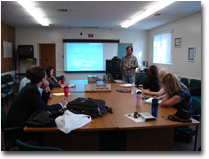
"I've learned that people will forget what you said, people will forget what you did, but people will never forget how you made them feel"
--Maya Angelou
The DSH-Patton Training Committee is composed of the Training Director, Chief of Psychology, and supervisors from the internship, fellowship, and practicum programs. The Training committee also includes all seminar leaders for the three training programs.
This committee meets monthly to discuss issues related to psychology training at Patton. Although the training committee members provide the bulk of the supervision in the three training programs, several other supervisors from the Department of Psychology provide additional supervision. Trainees at all levels are exposed to multiple supervisors each training year. The professional biographies listed below give a brief description of some of the interests of the Training Committee members and some of our more regular additional supervisors. Additionally, each supervisor below provided a few sentences about their approach to supervision.
Belel Ait Oumeziane, Psy.D. 
Biography:
Dr. Belel Ait Oumeziane received his Ph.D. in clinical psychology from Purdue University. He completed his pre-doctoral internship in the Addictions and Co-Occurring Disorders Track at the VA Boston Healthcare System. He remained at the VA Boston to complete his Postdoctoral Fellowship wherein he focused on specializing in trauma and substance use disorders through the Dual Diagnosis Track. There, he gained experience in working with diverse Veterans across outpatient, domiciliary, and couples clinics. After completing his training, Dr. Ait Oumeziane worked as a clinical psychologist at the West Palm Beach VA before becoming a staff psychologist at DSH-Patton. Currently, he is a psychologist on an all-female long-term unit. Dr. Ait Oumeziane specializes in using evidence-based approaches, such as CBT, DBT, ACT, and CPT, with patients presenting with a variety of psychopathologies. Dr. Ait Oumeziane began serving as a clinical supervisor in the internship program shortly after arriving at DSH-Patton. He is currently the long-term rotation supervisor for clinical psychology interns on the Clinical Track. Dr. Ait Oumeziane’s research interests historically included leveraging psychophysiological techniques as intermediate phenotypes within the broader etiological cascade for psychiatric illnesses. More recently, his interests include evaluating outcomes of evidence-based treatments in forensic populations. In his spare time, he enjoys baking and spending time with his family.
Approach to Supervision:
“In supervision, I emphasize the integration of evidence-based techniques with my supervisee’s unique therapeutic style. I try to create a supportive, yet challenging, environment that encourages skills development, ethical awareness, and self-awareness in order to provide high quality patient care.”
Cynthia Aguilar, Psy.D. 
Biography:
Dr. Aguilar received her Psy.D. in Clinical Psychology from the Indiana University of Pennsylvania with an emphasis in Neuropsychology. She went on to complete her Clinical Psychology Internship from the Miami VA Healthcare System, where she specialized in both Geropsychology and Neuropsychology. She completed a 2-year postdoctoral fellowship in Clinical Neuropsychology at DSH-Patton. Dr. Aguilar subsequently worked as a staff neuropsychologist in the private sector, where she specialized in providing neuropsychological services to older adults with suspected cognitive disorders. Ultimately, she returned as a staff neuropsychologist for DSH-Patton and is actively involved in the training program at the practicum, internship, and postdoctoral level. Dr. Aguilar speaks fluent Spanish and has been actively involved in providing equal access to neuropsychological services to the vast number of Spanish speaking patients at DSH-Patton. Dr. Aguilar’s primary interests include gero-neuropsychology, Latinx factors in neuropsychology, and the intersection between the two. Cognitive rehabilitation, and the “treatment” aspect of neuropsychology is an additional interest for her. She is one of the primary facilitators for the FREE program, which provides cognitive remediation therapy to patients with low cognitive functioning. In her spare time, she enjoys reading and spending most of her time outdoors.
Approach to Supervision:
Working with trainees is one of the most rewarding aspects of my job. As a supervisor, I have a strength-based and collaborative approach to training. My overarching goal to help a trainee begin to tackle clinical issues less through the lens of a trainee and more through the lens of an independent clinician. I believe the training years is a time to build confidence as a clinician, while simultaneously being exposed to complex clinical cases that will help the trainee grow as a clinician. I stive to provide a supportive structure where the trainee can obtain unique, challenging, and rewarding clinical experiences to help them in their professional goals.
Robert Brodie, Ph.D. 
Biography:
Dr. Brodie has always had two particular educational passions, psychology and criminal law. While completing his B.A. degree at the University of California, Irvine, he majored in psychology and had a minor in criminal law. While at UC Irvine he took a course entitled the Psychology of Blacks and began to learn the foundation for what grew into the field of cross-cultural psychology. He attended the University of California, Santa Barbara because its doctoral program specialized in issues of multiculturalism and cultural competence. Dr. Brodie completed his clinical internship in the Forensic Track at DSH - Patton. The following year, he completed the postdoctoral fellowship in Forensic Psychology DSH - Patton. Currently, Dr. Brodie is a Senior Psychologist Supervisor at Patton, where his clinical work allows him to complete forensic assessments, conduct individual and group therapy, and participate in the supervision and training of our clinical trainees and Staff Psychologists. In addition to his work at Patton, Dr. Brodie has been an adjunct instructor at the University of La Verne and holds a private clinical practice providing assessment, treatment, and consultation and specialize in providing culturally responsive services and interventions.
Approach to Supervision:
“Clinical supervision is a process that is adjusted depending on the needs of the supervisee and the type of treatment that is being provided. I thoroughly enjoy the process of supervision and hope that the supervisee will also. I look to challenge the supervisee to push the limit and try different techniques in their work. My theoretical orientation is cognitive-behavioral but I am eclectic in technique. Internship is a year to develop a professional identity and I hope to assist in that process. Remember two things, recognize when you are working harder than your client and enjoy the work that you do.”
Laurel Chavez-Mattos, Ph.D., ABPP 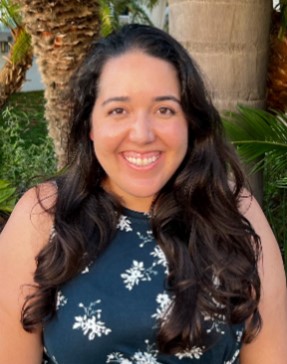
Biography:
Dr. Laurel Chavez-Mattos received her Ph.D. in Clinical Psychology from Sam Houston State University with an emphasis in forensic psychology. She is a board-certified specialist in forensic psychology with the American Board of Professional Psychology. She completed her internship in the Forensic Track at DSH-Patton and stayed to complete her Postdoctoral Fellowship in Forensic Psychology. She currently serves as a Senior Psychologist Specialist in DSH-Patton’s Forensic Evaluation Department, where she primarily conducts evaluations of trial competency, as well as malingering evaluations, comprehensive risk assessments, commitment extensions, and provides expert testimony. In addition to her strong interest in forensic assessment, she enjoys providing individual and group therapy and has served on the local DBT implementation committee at DSH-Patton, as well as the Transgender Treatment Advisory Committee. Her research interests include recent projects evaluating the validity and utility of measures of response style with diverse populations. Abstracts of her research projects can be found on her ResearchGate profile. She currently serves as an Assessment Supervisor in the internship program and has also supervised within the Fellowship program. In addition to her work at DSH-Patton, she holds a forensic private practice in the community conducting competency, sanity, mental health diversion, risk assessment, and mitigation evaluations. Outside of work, she enjoys playing pickleball, going to the theater, and spending time with her family and two dogs.
Approach to Supervision:
"When reflecting upon the numerous supervisors who helped shape my professional development, it is an honor to serve in a supervisory role to the talented and dedicated individuals entering our field. In my experience, supervision is a collaborative process in which learning takes place in both the supervisor and supervisee. I hope to create an open and supportive environment where trainees can share their experiences and perspective and discuss case conceptualizations, ethical quandaries, cultural considerations, professional development, and more. My approach is to create a structure which takes full advantage of the diverse population and flexible training model at DSH-Patton by helping supervisees identify goals for the year (e.g., types of cases and experiences they would like) to allow them to dive into specific interests, develop new skills, and hone core competencies. My goal is to encourage interns to develop their independence and professional identify throughout the year, including being able to articulate their approach and an understanding of why they make the choices they do."
David Contreras, Psy.D., ABPP 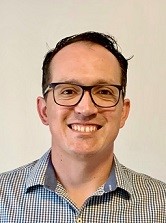
Biography:
Dr. Contreras received his doctorate in clinical psychology from the University of La Verne. He completed his predoctoral internship at Arkansas State Hospital and then, a Forensic Postdoctoral Fellowship at the University of Arkansas for Medical Sciences/Arkansas State Hospital. He is board certified in forensic psychology by the American Board of Professional Psychology (ABPP) and also serves as examination faculty for the American Board of Forensic Psychology (ABFP). At DSH-Patton, Dr. Contreras is a Senior Psychologist Specialist in the DSH - Patton Forensic Evaluation Department. Dr. Contreras serves as a fellowship supervisor and also coordinates the internship assessment seminar where he lectures on various criminal capacities and mental health case law. Along with Dr. Mario Souza, Dr. Contreras is an author-approved trainer for the HCR-20v3. In addition to his duties at DSH – Patton, Dr. Contreras maintains a private practice where he is sought after by attorneys, judicial officers, and agencies on issues pertaining to violence risk management, evaluation procedures, transfer to adult court, response style, and competency to stand trial. His clinical and research interests include psychometrics, report writing, and assessment of response style. In his spare time, Dr. Contreras can be found searching for vintage guitars and amplifiers, traveling with his family, or rooting for (or yelling at) the Los Angeles Dodgers.
Approach to Supervision:
"Serving as a supervisor is one of the most rewarding aspects of my position, and I am consistently impressed by the wealth of knowledge and expertise our trainees bring into their training year. My goal is to help trainees recognize, and take ownership of their vast knowledge, while providing them with a space to develop new interests or specialty areas. It is my hope that by the end of the training year, interns are ready to transition into their roles as early career psychologists and budding leaders in our field."
Maria Cueto Lopez, Psy.D. 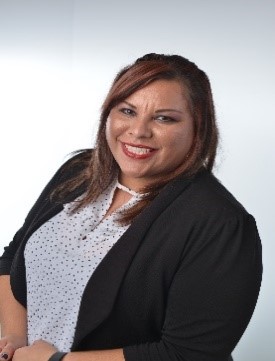
Biography:
Dr. Cueto Lopez has always had two main passions, psychopathology and providing a safe space for individuals to process their internal conflicts. Prior to attending graduate school, Dr. Cueto Lopez spent two years as a behavioral specialist aid, providing in-home ABA therapy to children and adolescents with an autism spectrum disorder or other developmental disabilities. She then attended graduate school and received her Psy.D. in Clinical Psychology with an emphasis in Family Systems from Azusa Pacific University (APU) in 2020. While at APU, Dr. Cueto Lopez completed both the Family Forensic Psychology and Psychodynamic concentration tracks as part of her educational training. She completed an internship at DSH-Metropolitan. As part of her internship training, she completed rotations in the female forensic unit and LPS unit, working with patients who were admitted through criminal commitment codes, including Incompetent to Stand Trial (IST), Not Guilty by Reason of Insanity (NGRI), or met criteria as an Offender with Mental Health Disorders (OMD), and adult female and male patients admitted through civil commitment codes for the continuation of psychiatric symptom management for danger to self and danger to others. Her pre-internship supervised experience included rotations at Pacific Forensic Psychology Associates - Sharper Future, providing specialized sex offender treatment, the California Institution for Men, administering general psychological assessment to adult inmate patients, APU Community Counseling Center, providing individual and family therapy, and outsourced treatment to elementary and high schools in the Azusa Unified School District. In 2020, Dr. Cueto Lopez was hired at DSH-Atascadero where she worked on an IST Spanish-speaking unit. She then transferred to DSH-Patton in 2021, where she currently works on a male IST unit. In 2024 she became the chair of the Psychology Credentials Committee and as of 2026 serves as one of the co-directors for the Psychology Practicum Program at DSH-Patton. In addition to her work at Patton, Dr. Cueto Lopez is CASOMB certified, provides Sex Offender Treatment, and serves in the Juvenile Panel with San Bernardino County, completing forensic evaluations. In her spare time, Dr. Cueto Lopez enjoys a good cup of coffee, movies, listening to music, and spending time with family, friends and her beagle.
Approach to Supervision:
"I believe that clinical supervision is a collaborative process, where we work together to understand the patients we serve at the hospital. My goal is to help each trainee grow into an autonomous, self-confident professional, who can value the process of professional consultation and can work collaboratively with others. I conceptualize in an integrative framework primarily drawing upon psychodynamic, cognitive behavioral, and family systems."
Brittany Dey, Psy.D.
Biography:
Dr. Brittany Dey earned her bachelor’s degree in Psychology, with a minor in Criminal Justice, from California Polytechnic University, Pomona, before completing her Master of Science and Doctor of Psychology in Clinical Psychology at the University of La Verne. As part of her doctoral training, Dr. Dey completed a clinical practicum at Patton State Hospital, providing her with firsthand experience as a trainee within the hospital’s training environment. She subsequently completed her doctoral internship at Arkansas State Hospital and worked for three years with the San Bernardino/Riverside County Conditional Release Program (CONREP) before returning to Patton in 2020, where she served as the primary psychologist on an all-male long-term treatment unit for three years. She later joined the Forensic Evaluation Department (FED) in 2023, where she conducts comprehensive forensic evaluations and consults with multidisciplinary treatment teams regarding competency to stand trial, violence risk, malingering, and civil and criminal commitment matters. She also completes mental health diversion assessments in the community. Dr. Dey has worked across inpatient and community forensic settings with diverse populations, with a particular emphasis on individuals with serious mental illness and significant legal involvement.
Approach to Supervision:
My supervision style is collaborative, supportive, and developmentally focused, with an emphasis on critical thinking, clinical and forensic reasoning, and helping trainees develop confidence and greater independence while maintaining high standards of professional practice. Having benefited from strong training experiences throughout my own development as a psychologist, I value the opportunity to contribute to the training and professional development of the next generation of forensic clinicians.
Jeremy Feiger, Ph.D. 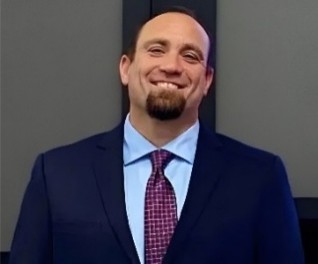
Biography:
Jeremy Feiger is a clinical neuropsychologist at DSH-Patton. He received his Ph.D. in clinical psychology from the University of Nebraska – Lincoln, with a specialization in neuropsychology and forensic psychology. He completed his predoctoral internship training at the Battle Creek VA Medical Center within the Neuropsychology Track. He then completed a two-year postdoctoral fellowship in clinical neuropsychology at DSH-Patton in 2026 and subsequently began his current role within the Neuropsychology Consultation Service (NCS) here at DSH-Patton. Dr. Feiger’s clinical and research interests include general neuropsychology, outcomes and rehabilitation from acquired brain injuries, neuropsychology of schizophrenia spectrum disorders, trial competence restoration, and monitoring neurocognitive changes associated with neurological interventions. Abstracts of his research projects can be found on his ResearchGate profile.
Approach to Supervision:
"My approach to supervision is centered on being a guiding and supporting trainees to develop their own unique professional identity and foster a lasting feeling of purpose in their careers while and achieving their goals. Building upon my diverse and influential supervisory experiences as a trainee, I aim to help develop practical clinical and research skills while also building confidence from a solid foundation for growth."
Betsy Galicia, Ph.D. 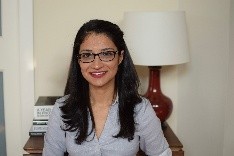
Biography:
Dr. Galicia received her Ph.D. in Clinical Psychology with a Forensic Emphasis from Sam Houston State University in 2023. She completed her internship and postdoctoral fellowship in forensic psychology at DSH-Patton. She was then hired on to work as a unit psychologist at DSH-Patton’s monolingual Spanish-speaking unit, which houses patients with various legal commitment codes. In this role, she provides individual and group treatment to assist in patient discharge, and she conducts psychological assessments in Spanish. In the past year, she has been temporarily working in the Forensic Evaluation Department as a pre-trial evaluator. She has supervised students at the practicum and intern-level at DSH-Patton in the past two years. Prior to working at DSH-Patton, Dr. Galicia conducted psychodiagnostic evaluations for unaccompanied immigrant minors, as well as justice-involved children, adolescents, and adults. She was also a Small Team Director for the Ecuador Professional Preparation Program in Quito, Ecuador in which she mentored clinicians as they provided mental health services in Spanish to children. Dr. Galicia’s research has primarily focused on immigration and mental health, posttraumatic stress disorder, risk and protective factors in trauma symptoms, human trafficking, and diversity topics (e.g., first-generation students, Latine cultural values and norms).
Approach to Supervision:
“My approach to supervision is to collaboratively work with the supervisee in identifying their training needs and goals and foster their forensic and clinical skills. Using a developmental approach to supervision, I aim to provide feedback and support appropriate to the supervisee’s current training stage, while facilitating progression to the next stage. My goals are to create a safe and welcoming environment, and to provide the supervisee with the tools to grow as a professional. My hope is that by the end of supervision, supervisees develop their voice, grow in their awareness of cultural considerations in psychology, and find meaning in their work.”
David Glassmire, Ph.D., ABPP 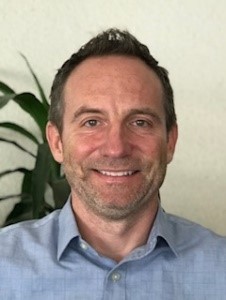
Biography:
Dr. Glassmire is the Psychology Training Director at Patton. In this role, he directs the internship program and postdoctoral fellowship in forensic psychology, and he provides administrative support for the other training programs in our department. Dr. Glassmire is a board-certified specialist in forensic psychology with the American Board of Professional Psychology. He completed a postdoctoral fellowship in forensic psychology with an additional emphasis in clinical neuropsychology at Patton in 2002. Dr. Glassmire was formerly the psychologist in Patton’s Substance Abuse and Mental Illness program and was later a psychological assessment consultant on a program for patients adjudicated as incompetent to stand trial. He enjoys teaching and was formerly a part-time adjunct faculty member in the Department of Gerontology at the University of Southern California teaching both graduate and undergraduate classes for six years. Dr. Glassmire’s research group at Patton focuses on forensic assessment including use of the MMPI-3, trial competency assessment, and the assessment of symptom and performance validity. His research often focuses on evaluating the accuracy of assessment instruments across cultural groups and clinical populations commonly seen in forensic settings. Abstracts of his research projects can be found on his ResearchGate profile. In 2023, Dr. Glassmire was awarded the Distinguished Contributions to Forensic Psychology Award from the American Academy of Forensic Psychology. In his spare time, Dr. Glassmire enjoys distance running, listening to music, and spending time with friends and family.
Approach to Supervision:
“Supervision is one of the most rewarding parts of my job because it allows me to participate in the professional development process of future psychologists. I view supervision as a collaborative process in which we work together to provide compassionate high-quality treatment services and to create assessment work products that embody excellence, integrity, and transparency.”
Marjorie Graham-Howard, Ph.D. 
Biography:
Dr. Graham-Howard is a senior supervising psychologist in Program IV. She received her Ph.D. in Clinical Psychology from Fuller Graduate School of Psychology when dinosaurs were still roaming the earth. Her initial passion was working with children, adolescents and families, but she took a detour to complete her predoctoral internship at Patton State Hospital, which completely upended her professional trajectory. She stayed at Patton for fifteen years, first as a staff psychologist on EB-11 (now EB-12) for ten years, and later as the Postdoctoral Training Director for five years. Shortly after getting licensed, she started a private practice in forensic psychology that she still maintains. Early work was primarily assessing juveniles for the courts and later this expanded to adult forensic assessment work. She left Patton in 2008 to accept an academic appointment in the PsyD program at Azusa Pacific University. She began her work teaching and supervising dissertations and was promoted to Department Chair after four years. For many years, she remained as Department Chair and took on the additional role as Director of Clinical Training, Practicum. For her final two years at the university, she was the Interim Dean for the School of Behavioral and Applied Sciences, and in her last year, as Interim Dean for that school and the School of Education. In 2024, she left APU and returned to Patton a second time, thrilled to supervise and return to her first passion, providing long-term, individual therapy and clinical assessment for patients at Patton. She is still active in her private practice, doing juvenile competence to stand trial and dispositional evaluations, NGRI, competency to stand trial, mitigation, sex offender risk assessment, and mental health diversion cases.
Approach to Supervision:
“I have been privileged in my career to provide supervision to students all along the developmental path from beginning therapist to seasoned professional. My goal in supervision is to assist those I supervise in realizing their own potential, style, theoretical orientation and approach to the work they do. I am flexible in my approach to best meet the needs of the supervisee. I enjoy collaborating, being curious, fostering learning, and encouraging the establishment of a professional identity that resonates with the person and evolves other time.”
Kerry Hannifin, Psy.D. 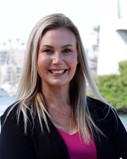
Biography:
Dr. Hannifin received her Psy.D. in Clinical Psychology with an emphasis in Family Systems from Azusa Pacific University in 2008. She completed an internship at The Guidance Center in Long Beach. As part of her internship training she completed specialty rotations in neuropsychology at Jonathan Jaques Children’s Cancer Center at Long Beach Memorial Medical Center and in child/adolescent trauma and abuse at the federally funded MCAVIC-USC Child and Adolescent Trauma Center in Long Beach. Dr. Hannifin also received one year of formal Dialectical Behavior Treatment (DBT) training at Harbor UCLA. Dr. Hannifin was hired as a staff psychologist at DSH-Patton in 2008 and worked on admission units until 2019 when she joined the Forensic Evaluation Department (FED) as a forensic evaluator. In 2021, Dr. Hannifin was appointed as one of the Senior Psychologist Supervisors in the FED. Dr. Hannifin also has a private practice in which she completes forensic evaluations and serves as a Qualified Medical Evaluator (QME). Dr. Hannifin has provided supervision at the practicum and intern level and is currently the Professional Development Seminar facilitator for the Post-Doctoral fellows.
Approach to Supervision:
“As a supervisor, my goal is to help each trainee grow into an autonomous, self-confident professional. I like to create a supervision environment that trainees feel comfortable sharing not only individual case questions but professional growth questions. My approach to supervision is one that is collaborative as I believe this approach allows trainees the opportunity to develop stronger case conceptualization skills and a sense of professionalism. I find working with the trainees in one capacity or another is one of the most fulfilling and rewarding aspects of my role as a psychologist.”
Piyonik Hartounian, Psy.D. 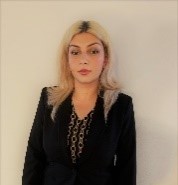
Biography:
Dr. Hartounian graduated from the University of California, Los Angeles with a Bachelor of Arts degree in psychology. She received her Master of Science and Doctor of Psychology degrees in clinical psychology from the University of La Verne. She completed advanced practicum training at Patton State Hospital. Dr. Hartounian completed her pre-doctoral internship at Mendota Mental Health Institute, an inpatient forensic state hospital in Wisconsin. During internship, she completed rotations focused on violence risk and competence to stand trial assessments. As a post-doctoral fellow at Central Regional Hospital’s Forensic Evaluation Center in North Carolina, she completed outpatient evaluations of competence to stand trial and mental state at time of the offense. In 2018, Dr. Hartounian was hired at Patton State Hospital, where she works on an all-male PC 1370 (competency) unit.
Approach to Supervision:
“As a new graduate student/practicum trainee, I viewed supervision as completely focused on being 'taught' how to conceptualize a case, diagnose a client/patient, do therapy, and write assessment reports. Through the supervision that I received and my research/dissertation on the topic of supervision, I realized that a great supervision was more than just ‘teaching’ your trainees these clinical and assessment skills. I like to start the supervision process by focusing the initial session(s) on discussing the trainee's experience, trainee's expectations from supervision and goals, expectations from the trainee, and our roles in this process. The supervision process is different depending on the needs and the development level of the trainee. In addition, each session can be different depending on what we agree is most important to discuss/focus on. For example, with previous trainees, we have had sessions where we have completely focused on case conceptualization and/or editing an assessment report. At other times, we have spent session(s) discussing the challenges and/or countertransference that a trainee has experienced while working with a client/patient. And, at times, our supervision sessions have been completely focused on professional development topics such as discussing future training sites/opportunities, career goals, expectations/challenges during internship and/or post-doctoral training year, etc.”
Allie Hotetz, Psy.D. 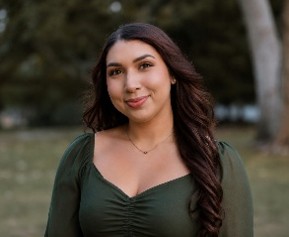
Biography:
Dr. Hotetz received her Psy.D. in Clinical Psychology from California Baptist University. She completed her pre-doctoral internship at Tarzana Treatment Centers where she gained experience working with substance use disorders and dual diagnosis in an inpatient psychiatric, residential, and outpatient setting. Dr. Hotetz started working as a staff psychologist at Patton State Hospital in January 2025, where she worked on an all-male PC 1370 (competency) and LPS unit conducting admission psychological assessments, competency evaluations, and risk assessments. Currently, Dr. Hotetz is a Senior Psychologist, Specialist in the Enhanced Treatment Program (ETP) providing evidence-based individual treatment, group treatment, behavior plans, risk assessment, and crisis intervention to patients at the highest risk of committing violence. In her free time, she enjoys spending time with her dog, reading, and attending concerts, music festivals, and sporting events.
Approach to Supervision:
“I want supervision to be a collaborative and supportive learning process that encourages supervisees to develop confidence, clinical judgment, and a professional identity. I aim to provide a safe environment where they feel comfortable asking questions, exploring challenges, and receiving constructive feedback. I value curiosity, open communication, and consideration of individual needs and experiences. My goal is to help supervisees bridge the gap between theory and practice while developing their skills, self-awareness, and ethical decision making to become competent and compassionate clinicians.”
Loren Carrillo King, PhD, ABPP-CN 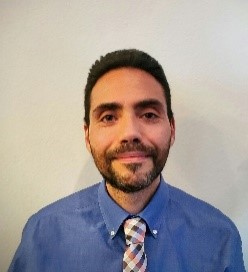
Biography:
Dr. King completed his doctoral degree in clinical psychology at the California School of Professional Psychology at Alliant International University, San Francisco campus. He completed his internship and two-year postdoctoral residency in neuropsychology at California Department of State Hospitals (DSH), Patton. He then earned board certification in clinical neuropsychology through ABPP. Subsequently, he worked in a variety of settings as a neuropsychologist, including DSH-Coalinga, Loma Linda University, Kaiser Permanente, and private practice. He has experience working with individuals across the lifespan and in a variety of departments, such as developmental and behavioral pediatrics, neurology, neurosurgery, and behavioral health. He has also taught graduate courses in cognitive assessment, personality assessment, and clinical neuropsychology. Dr. King is currently a neuropsychologist at DSH-Patton and directs the FREE program, which integrates cognition-focused interventions and trial competency restoration for individuals with cognitive challenges.
Approach to Supervision:
“Whether supervision is individual, in a group setting, or during an impromptu 'walk and talk' session, my approach is collaborative, patient centered, and solution focused. Being part of the journey that trainees take to develop and grow professionally provides me inspiration and optimism for what the future of our field holds.”
Dominique Kinney, Ph.D., ABPP-CN 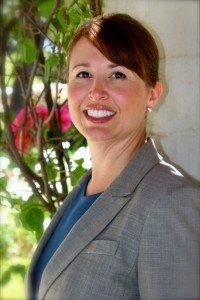
Biography:
Dr. Kinney received her Ph.D. in Clinical Psychology from the Pacific Graduate School of Psychology with an emphasis in Neuropsychology. She completed her internship in the Clinical Neuropsychology Track at DSH - Patton State Hospital and then completed a postdoctoral residency in clinical neuropsychology at DSH-Patton. She board certified in clinical neuropsychology through the American Board of Professional Psychology. Currently, she is the Director of DSH - Patton's Neuropsychology Consultation Service. She is a primary supervisor for Neuropsychology Interns and fellows, and she is the Co-Director of the Neuropsychology Post-Doctoral Fellowship. She is particularly interested in the neurocognitive correlates of psychiatric illness and the complexities that arise from providing neuropsychological services to dually-diagnosed individuals. Her areas of clinical and research interest are in psychiatric neuropsychology, cross-cultural psychology, and positive psychology. Abstracts of her research projects can be found on her ResearchGate profile. In her free time, she enjoys the sense of fulfillment she receives from the "vital engagement" of family life.
Approach to Supervision:
“Supervision at the intern level is an opportunity to assist the supervisee in shedding the student persona and helping the intern to develop into the type of professional he or she hopes to become. Whether working with patients or supervisees, it is my perspective that bolstering the weaknesses in others does not equal promoting the best in others. Therefore, I hope to provide a training environment that identifies, fosters, and supports an intern's professional gifts and talents.”
Patrick McGonigal, Ph.D., M.L.S. 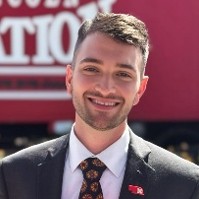
Biography:
Dr. Patrick McGonigal earned his Ph.D. in Clinical Psychology with a Forensic Emphasis and Quantitative Methods Minor from the University of Nebraska-Lincoln (UNL) in 2024. He also has a Master's degree in Legal Studies (MLS) from the University of Nebraska College of Law. At UNL, Dr. McGonigal studied and trained in threat assessment and management with a particular interest in preventing targeted violence against marginalized communities. He completed his internship and postdoctoral fellowship in forensic psychology at DSH-Patton. Dr. McGonigal has published peer-reviewed research on forensic mental health, prejudice, and personality disorders, as well as a book chapter in the Handbook of Antisocial Personality Disorder. Dr. McGonigal was hired as a staff psychologist for DSH-Patton's dedicated Deaf and Hard-of-Hearing unit following his fellowship. He later joined the Forensic Evaluation Department (FED) where he conducts risk assessments, provides expert witness testimony, and conducts forensic evaluations involving Deaf and HoH patients. He is also a member of the Transgender Treatment Advisory Committee (TTAC) where he provides assessment and consultation regarding transgender patients. His forensic interests include competency to stand trial, assessment of malingering, and sexual violence risk. In addition to his work at DSH-Patton, Dr. McGonigal provides community-based lectures in the Los Angeles area regarding forensic psychology
Approach to Supervision:
"I believe in a collaborative approach to supervision where the trainee and the supervisor work together to form developmentally appropriate goals that advance their foundation of existing clinical and forensic skills. I aim to provide a positive, safe, and supportive environment where the supervisee can explore their professional interests and long-term aspirations."
Stephany Molina, Ph.D.
Biography:
Dr. Molina received her Ph.D. in clinical psychology from the University of Nevada, Las Vegas. She completed her pre-doctoral internship in the Forensic Track at DSH-Patton. She remained at DSH-Patton to complete her Postdoctoral Fellowship in Forensic Psychology. After completing her forensic training, Dr. Molina worked as a clinical and forensic psychologist at state hospitals in Massachusetts and Florida. In these positions, she completed forensic and clinical assessments, provided individual and group treatment, conducted staff trainings related to forensic and clinical issues, served as an expert witness, and supervised psychology trainees. In 2022, she returned to DSH-Patton as a Senior Psychologist Specialist in the Forensic Evaluation Department. In her current role, she conducts violence risk assessments, sex offender risk assessments, and competency evaluations. Additionally, Dr. Molina is fluent in Spanish and regularly conducts Spanish-language forensic evaluations. Dr. Molina has served as an assessment coordinator in the internship program and a coordinating supervisor in the forensic fellowship. She is also currently one of the co-facilitators of the forensic fellowship’s landmark case seminar. Dr. Molina’s research interests include psychopathy and forensic assessment of Spanish-speaking populations. Abstracts of her research projects can be found on her ResearchGate profile. In her spare time, Dr. Molina enjoys traveling, exercising, and spending time with her two black cats, Bellatrix and Eevee.
Approach to Supervision:
"Being a supervisor is one of the most rewarding aspects of my career! I view supervision as a collaborative process where both the supervisor and trainee learn from one another. I will regularly solicit feedback from the trainee and make adjustments as needed. I aim to create a comfortable and supportive environment for the trainee to build confidence as they work towards developing their forensic skillset and achieving their individualized training goals. As the year progresses, I help the trainee develop their independence and professional identity as they transition into the next phase of their career."
Steve Nitch, Ph.D., ABPP-CN 
Biography:
Dr. Nitch is board certified in Clinical Neuropsychology through the American Board of Professional psychology (ABPP). Dr. Nitch received his Ph.D. in Clinical Psychology in 2002 from Loma Linda University, with a concentration in Neuropsychology. His doctoral dissertation explored the relationship between chronic pain and non-pathological personality traits. Dr. Nitch completed an internship at the Loma Linda VA Hospital and then a Neuropsychology Fellowship at Harbor-UCLA Medical Center. Upon the inception of the Neuropsychology Consultation Services at DSH - Patton in 2004, he began his tenure in state service. Dr. Nitch is the Co-Director of Neuropsychology Fellowship Training at Patton. When not serving the governor, Dr. Nitch works in the outpatient Psychiatry clinic at the Loma Linda Medical Center and in an assessment private practice. His research interests include performance validity, the cognitive correlates of psychosis, and best practices for treating severe mental illness via cognitive remediation. . In addition, he maintains an active interest in studying the functional effects of psychotropic medications, having earned a Master's Degree in Psychopharmacology (2006). Abstracts of his research projects can be found on his ResearchGate profile. When it is time for diversion, his activities of choice include trail running and watching documentaries.
Approach to Supervision:
“Looking back upon my own experience, I believe that a good supervisor encourages the steady development of a skill set while allowing for the exploration of new areas of interest. It is all too soon that one’s training period is over and it is time to fulfill the myriad responsibilities of an independent practitioner. As such, it is my hope that the people I supervise take the time to immerse themselves in the specialty areas that interest them and soak up the rich clinical environment that DSH - Patton affords. I encourage supervisees to proactively identify the types of cases and experiences that they want to have at the outset of the training year. In supervision, I strive to provide a balance of didactics and mutually generated case conceptualization, with more independence given as the training year progresses.
Jackie Orozco, Psy.D. 
Biography:
Dr. Jackie Orozco received her PsyD in Clinical Psychology from Azusa Pacific University (APU) with an emphasis in Family Systems, where she also completed a psychodynamic concentration track. Her dissertation focused on ethnic identity development in adolescents. Dr. Orozco’s internship and postdoctoral training included clinical and forensic work, including parental capacity evaluations, sexual violence risk assessments, competency to stand trial, NGRI, etc. She started working for DSH as a unit psychologist (for pre-trial commitments). She became a Senior Psychologist Specialist in the Forensic Evaluation Department (FED) in 2022. Her current role includes primarily working with the IST population. Dr. Orozco is fluent in Spanish and routinely conducts forensic evaluations in Spanish. Outside of DSH-Patton, she also maintains a private practice where she assesses various psycholegal capacities with adult populations (i.e., mental health diversion, mitigation, and competency to stand trial). She serves on expert panels for both San Bernardino and Los Angeles County, as well as select referrals from Orange County. In her spare time, Dr. Orozco enjoys arts and crafts, painting, photography, exercising, and spending time with her Persian cat, Kizmet Duchess.
Approach to Supervision:
“My goal is to meet the supervisee where he/she/they are at and provide a safe environment to collaborate on numerous aspects of professional development. My goal is to provide the supervisee with support so they can improve their clinical skills, enhance their assessment experience, build on their expertise, and gain overall insight into their role as a member in the psychology department at DSH-Patton. In the process of supervision, I hope the supervisee will feel more confident in their skills and establish a comprehensive understanding of themselves as an individual and supervisee/psychologist.”
Allison Pate, Ph.D., ABPP 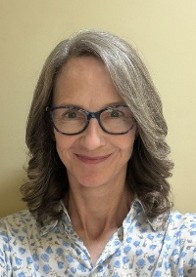
Biography:
Dr. Pate received her Master’s in Clinical Psychology from Middle Tennessee State University and in 1999 received her Ph.D. in Clinical Psychology from the University of North Dakota. After completing her internship in the Clinical track at DSH-Patton, she was hired and worked for five years as the sole psychologist for DSH-Patton’s only long term all-female fifty-bed unit. She then worked on an acute male admissions unit, after which she worked for two years on a co-ed wellness-focused long term care unit. In 2006, she moved to administration to assist the Psychology Chief with DOJ requirements, and in 2007 she became a Senior Psychologist Specialist. In January 2008, she was appointed Senior Psychologist Supervisor for Program I (now Program 6), and in 2013 she began sharing a caseload with another Supervising Psychologist. At present she is both a Senior Supervisor and the treating psychologist for fifteen patients on the geriatric unit. Dr. Pate has been providing supervision in Patton’s internship since 2002, and has served as a Coordinating Supervisor since 2005. She is board certified in Clinical Psychology through the American Board of Professional Psychology. She has published in the areas of personality traits, personality assessment, and crisis response, and has worked in the community at a program that treats and assesses sex offenders. In 2006, she completed a yearlong advanced training course in object relations psychoanalytic psychotherapy, and she has received advanced training in Dialectical Behavior Therapy. She maintains a part-time private practice providing psychological treatment and assessment. In her spare time she has earned two black belts in tae kwon do, plays soccer, and roots for Arsenal in the English Premiership Football league.
Approach to Supervision:
“I believe that supervision provides one of the most valuable and vital sources of growth for budding psychologists, and I enjoy and feel honored to play such a role in a new professional’s development. My approach begins with identification of the needs and interests of the supervisee. Within this framework, I strive to provide a collaborative, supportive and flexible atmosphere within which the supervisee can explore theories and ideas, hone therapeutic interventions, incorporate ethical and cultural considerations, discuss professional development issues, and learn from new experiences.”
Jesus Rodriguez, Ph.D.
Biography:
Dr. Rodriguez received his Ph.D. in 2006 from the combined program in Clinical, Counseling, and School Psychology at Utah State University. He completed his pre-doctoral internship at DSH-Patton before joining the hospital as a staff member in 2006. Dr. Rodriguez has a strong interest in the theory and practice of psychotherapy. He uses an integrative approach in his work with clients, with client-centered theory providing the foundation for integrating other theoretical ideas and techniques. He also has a strong interest in ethnic minority mental health issues, with special emphasis on the relation between acculturation and mental health. Dr. Rodriguez currently works on a monolingual Spanish speaking unit where he conducts assessment and therapy in Spanish.
Approach to Supervision:
“I truly enjoy working with students and helping them in them their development as psychologists. My approach to supervision is in large part determined by the student’s needs. For example, if a student would like to develop a specific assessment skill, then I may take a more directive role in supervision in an effort to help the student develop that skill. More generally, I believe in creating an atmosphere of trust and understanding from which the student can feel comfortable identifying his or her professional needs. Once these needs are identified, I work collaboratively with the student to help him or her fulfill these needs.”
Felix Sanchez, Psy.D. 
Biography:
Dr. Sanchez completed his Psy.D. in Clinical Forensic Psychology at Alliant International University in 2017. Prior to attending Alliant International University, he completed a master’s degree in Psychology at Mercy College. He also attended John Jay College of Criminal Justice, where he obtained an associate’s degree in Police Studies and a bachelor’s degree in Forensic Psychology. As part of his doctoral training, Dr. Sanchez completed practicum placements at Augustus F. Hawkins Mental Health Clinic, Eastlake Juvenile Mental Health Court/UCLA David Geffen School of Medicine, and Gateways Forensic Community Treatment Program (FCTP). His training included providing treatment as well as conducting neuropsychological and forensic assessments. He completed his internship at the California Department of State Hospitals (DSH) – Metropolitan. Following internship, he worked at Liberty Jail-Based Competency Treatment (JBCT) program, where he specialized in conducting competency to stand trial evaluations.
Dr. Sanchez was hired as a staff psychologist at DSH-Patton in October 2019. Since April 2021, he has served as a Senior Psychologist Specialist in the Forensic Evaluation Department (FED). He also serves as an Assessment Supervisor for the internship program. In addition to his work at Patton, Dr. Sanchez maintains a private clinical and forensic psychology practice and serves as an expert on several court panels throughout Southern California. His research interests include malingering in neuropsychological assessments and juvenile and adult competency to stand trial. In his spare time, Dr. Sanchez enjoys spending time with his family, serving his local church, watching movies and shows, and reading.
Approach to Supervision:
“My approach to supervision includes education and training aimed at developing science-informed practice through a collaborative interpersonal process. I believe effective supervision should be both supportive and challenging, with an emphasis on developing clinical judgment, professional confidence, and independence. I seek to build on the strengths of each supervisee while fostering growth in areas that may benefit from further development. I also view mentorship as an important part of the supervision process and strive to share practical knowledge and professional wisdom that may not always be addressed in an academic setting. My goal is for supervisees to feel supported and challenged throughout their training, enjoy the learning process, and leave their experience better prepared to practice independently.”
Gina Sillo, Psy.D. 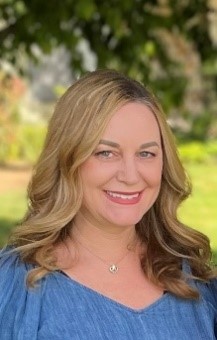
Biography:
Dr. Sillo received her Psy.D. in Clinical Psychology with a minor concentration in family studies from Loma Linda University. She completed her practicum at Patton in 2006 and went on to complete her internship at the Federal Bureau of Prisons, Metropolitan Detention Center. In addition to working on a variety of research projects in the field of substance abuse, she was a project coordinator for the UCLA Integrated Substance Abuse Program. She has also provided substance abuse treatment at the Matrix Institute for Addiction. Dr. Sillo has taught at the University of La Verne as a part-time faculty member. She is an Army reserve veteran and her service consisted of performing duties as a psychologist within a medical unit. She has also performed work as a Qualified Medical Evaluator and has provided other types of forensic consultation services working with both juvenile and adult populations. She has enjoyed supervising students at Patton since 2008 and her approach to supervision includes assisting each trainee transition into a balanced professional life. In her spare time, Dr. Sillo enjoys spending time with friends and family, cooking, exercising, watching movies, and traveling.
Approach to Supervision:
“Supervising has been among the most rewarding parts of my position at Patton. I feel very lucky to be a part of the dynamic growth experience in the lives of students in a setting such as Patton. I like to be a part of this exciting journey and find most rewards lie in watching students grow and move on to the next stage in their professional lives. My approach to supervision involves meeting students at their developmental level with a focus on helping them grow and meet their unique goals.”
Sherin Singleton, Psy.D. 
Biography:
Dr. Singleton received her Psy.D. in Clinical Community Psychology from the University of La Verne. Prior to joining the staff at DSH-Patton, she worked as a Research Specialist II with Riverside County Department of Public Social Services, where she conducted numerous research and program evaluation projects. She has worked at DSH-Patton since 2011. As a unit psychologist, she worked with patients adjudicated as incompetent to stand trial, as well as offenders with mental health disorder, and patients found not guilty by reason of insanity. She has been the practicum director since 2019, and she has been a Senior Psychologist Supervisor since 2021. She currently runs the practicum training program and supervises clinical staff in off-unit positions, including the psychologists working in the Enhanced Treatment Program. She is the co-chair of Patton’s Transgender Treatment Advisory Committee. In her private practice, she also conducts both civil and criminal forensic evaluations. Her clinical and research interests include gender-affirming care, adjudicative competence, program development and evaluation, and violence risk reduction.
Approach to Supervision:
“One of the most rewarding parts of my job is being involved in our training programs. I see supervision as a collaborative process between the trainee and supervisor and driven by the needs of the trainee. Throughout the year, I enjoy watching trainees gain comfort with, and confidence in, their own skills and abilities, and their ability to make complex connections between theory and practice.”
Mario Souza, Psy.D., ABPP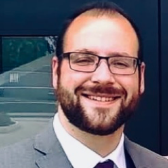
Biography:
Dr. Souza is a board-certified specialist in forensic psychology with the American Board of Professional Psychology (ABPP). He received his doctorate in clinical psychology from Pepperdine University. He completed his pre-doctoral internship at NYU-Bellevue Hospital and continued his forensic training in the Postdoctoral Fellowship in Forensic Psychology at DSH-Patton. Currently, Dr. Souza is a senior psychologist in DSH-Patton’s Forensic Evaluation Department where he conducts comprehensive risk assessments, commitment extensions, competency, malingering evaluations, and provides expert testimony. He is fluent in Spanish, and he regularly conducts Spanish-language forensic evaluations. Dr. Souza has served as a coordinating supervisor for Patton’s postdoctoral fellowship in forensic psychology for several years. He specializes in violence and sex offender risk assessment and has conducted various trainings related to risk assessment for DSH and outside institutions. Additionally, he is an author-approved HCR-20-V3 trainer, and he is active in committees focused improving the quality and efficacy of violence risk assessment across the Department of State Hospitals in California. Dr. Souza maintains a private practice where he provides trial consultation and conducts assessments in both English and Spanish focusing on a variety of forensic issues including violence risk, sex offender risk, competency, insanity, and mental health diversion. His research interests include violence and sex offender risk assessment, psychopathy, and forensic assessment of Spanish-speaking populations. In his spare time, Dr. Souza likes to workout, travel, and catch up on Netflix documentaries.
Approach to Supervision:
"Without a doubt, serving as a supervisor is one of the most rewarding and enriching experiences of my career. I like to establish professional and personal goals at the beginning of the supervisory relationship that can be used to guide the training experiences of the supervisory dyad throughout the year. I hope to create a safe and supportive environment where we can build upon the trainee’s existing strengths and develop new areas of expertise and interest along the way. By the end of the training year, my goal is for the trainees to have developed the clinical and professional skills necessary to enter their new roles as early career psychologists."
Samantha Stayton, Psy.D.
Biography:
Dr. Samantha Stayton received her Psy.D. in Clinical Psychology from The Chicago School (Irvine campus). She completed her internship in the Clinical Track at DSH-Patton. She is currently a Staff Psychologist on a unit that primarily houses patients who have committed sex offenses and have been committed to DSH-Patton via Penal code 1026, not guilty by reason of insanity (NGI), PC 2962 and 2972, individuals committed to the hospital under California’s Offender with a Mental Disorder (OMD) statute, and LPS conservatorship at DSH-Patton. She holds interests in the treatment, assessment, and prevention of sexual offending, with her work grounded in trauma informed and evidenced based practices, including Dialectical Behavioral Therapy, Cognitive Behavioral Therapy, and Acceptance and Commitment Therapy. Additionally, she has served on the Transgender Treatment Advisory Committee and the Social Committee. She currently serves as a practicum supervisor in the practicum program. Outside of work, she enjoys spending time with my family, traveling, watching any form of competition show, exercising, and going to venues with live music.
Approach to Supervision:
To me, supervision is both a relationship and a training process. I have sat on both sides of that relationship- as a trainee, and now as someone guiding others through that same terrain – and what I’ve learned is that people do their best clinical thinking when they feel safe enough to be unsure out loud. So, before anything else, I try to build that kind of trust with supervisees - a space where bringing in a messy case, a bad session, or a moment of real doubt feels like exactly the right thing to do, not something to hide. Utilizing the breadth of training opportunities at DSH-Patton, I seek to help supervisees sharpen core competencies, cultivate new skills, and steadily grow into an independent clinician with a professional identity that is genuinely their own. At the end of the day, what I want most for anyone I supervise is simple - for them to walk away not just more skilled, but more sure of their own judgment, carrying that confidence with them long after our work together is done.
Tiffany N. Truong, Ph.D.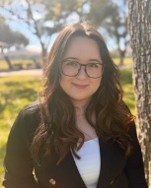
Biography:
Dr. Tiffany Truong earned her Ph.D. in Clinical Psychology from Texas A&M University in 2023. She completed both her APA-accredited predoctoral internship and forensic postdoctoral fellowship at DSH-Patton before accepting a staff psychologist position on an acute, short-term female unit focused on competency restoration. Dr. Truong currently works in the Forensic Evaluation Department (FED) at DSH-Patton as a forensic evaluator. In this role, she conducts post-trial forensic evaluations and provides expert testimony for the courts and Board of Parole Hearings. Outside of her hospital work, she also engages in private forensic practice, conducting a range of evaluations, including pretrial mental health diversion assessments. Her clinical and scholarly work emphasizes evidence-based practice, structured professional judgment, and cultural responsiveness. Dr. Truong’s research explores the accuracy of malingering assessment tools, the predictive validity of violence risk instruments, and the influence of psychopathy on juror decision-making. She has published in leading journals such as Criminal Justice and Behavior, Law and Human Behavior, and Psychological Assessment, and has presented nationally and internationally at forensic psychology conferences.
Approach to Supervision:
My goal as a supervisor is to support trainees as they become confident and competent professionals in psychology. I see supervision as a collaborative journey where I am privileged to walk beside supervisees as they navigate uncertainty, providing guidance through challenges and celebrating their growth as they find their own path. I aim to create a supportive environment that fosters both professional competence and personal development, encouraging supervisees to find their authentic voice, trust their clinical judgment, and practice with confidence, humility, and purpose.
Michelle Swiontek, Psy.D. 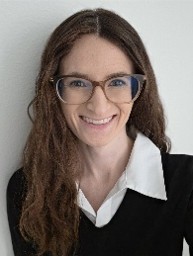
Biography:
Dr. Michelle Swiontek received her Psy.D. in Clinical Psychology, with an emphasis in Military Clinical Psychology, from Adler University. She completed her pre-doctoral internship at the San Bernardino County Department of Behavioral Health – CHOICE Program wherein she provided outpatient clinical services to adults recently released from jail on probation. She also conducted psychological testing with adults throughout San Bernardino County to provide diagnostic clarity and recommendations for treatment. After completing her internship, Dr. Swiontek began working at DSH-Patton as a staff psychologist on an all-male admissions unit. She focuses on providing individual and group treatment to patients deemed Incompetent to Stand Trial (IST). Her clinical practice is primarily rooted in Cognitive Behavioral Therapy (CBT). However, she integrates principles from Dialectical Behavior Therapy (DBT) and Acceptance and Commitment Therapy (ACT) when clinically appropriate. Her professional interests include severe mental illness, working through delusions, competency assessment and treatment, military psychology, and veterans’ risk factors for incarceration.
Approach to Supervision:
“My approach to supervision is grounded in collaborative mentorship and strength-based development. I prioritize creating a structured, adaptable, and transparent environment where supervisees feel supported in expanding their competencies and refining their critical thinking. My goal is to guide supervisees towards confident, independent decision-making and help them cultivate their unique professional identity.”
Elise Yenne, Ph.D., ABPP
Biography:
Dr. Yenne received her Ph.D. in Clinical Psychology with a Forensic Emphasis from Sam Houston State University. She is a board-certified specialist in forensic psychology with the American Board of Professional Psychology. She completed her internship and postdoctoral fellowship in forensic psychology at DSH-Patton. Throughout her tenure at Patton, she has worked on several treatment units with a variety of commitment types and in the Forensic Evaluation Department. She currently serves as the Psychology Training Director where she oversees DSH-Patton’s APA-accredited internship in clinical psychology and postdoctoral fellowship in forensic psychology and provides administrative support to other training programs within the department. Dr. Yenne also facilitates the New Psychologist Seminar for new staff psychologists at DSH-Patton to help them orient to the hospital. She is the co-chair of DSH-Patton’s annual Forensic Conference. Her research interests include impartiality and quality in forensic mental health reports. She maintains a limited forensic private practice. In her spare time, Dr. Yenne enjoys playing the violin in a local community orchestra, crafting, and spending time with her dog, Norepinephrine.
Approach to Supervision:
“As a supervisor, I aim to create an environment where supervisees can gain confidence in the knowledge and skills they already possess while also feeling comfortable expanding their knowledge in new directions. Additionally, the training years are important times of socialization into the profession of psychology, so I view supervision as an opportunity to help supervisees discover and become comfortable in their professional identity. As the training director, my goal is to create an environment where people are excited to come to work and learn from each other.”